
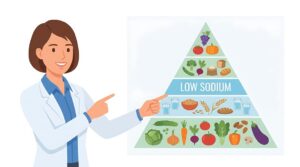
 Salt adds flavor to many of our favorite foods, but too much sodium can take a toll on our health. From restaurant meals to packaged snacks, sodium often sneaks into our diets without realizing it. The good news? Making a few simple changes to reduce sodium intake can support better health without sacrificing the flavors you love. Here are four key benefits of following a low-sodium diet and practical ways to get started.
Supports Healthy Blood Pressure
One of the biggest benefits of a low-sodium diet is better blood pressure management. Sodium causes the body to retain water, increasing the amount of fluid in the bloodstream. For some people, this extra fluid puts additional pressure on blood vessel walls.
Reducing your sodium intake helps the body maintain a healthier fluid balance and may lower blood pressure, particularly for people with hypertension. Over time, keeping your blood pressure under control may also help reduce the risk of serious cardiovascular complications.
Promotes Better Heart Health
Your heart works hard every day, and your diet plays an important role in supporting it. Consistently consuming too much sodium is associated with high blood pressure, a major risk factor for heart disease and stroke.
Choosing fresh ingredients, limiting heavily processed foods, and preparing more meals at home are practical ways to cut back. The American Heart Association recommends limiting sodium to 2,300 milligrams per day, with an ideal limit of 1,500 milligrams for most adults. Small, consistent changes to your eating habits can make a meaningful difference in your overall heart-health routine.
Helps Support Kidney Function
Your kidneys help regulate fluid levels and filter waste from your blood, including excess sodium. When you consume more sodium than your body needs, your kidneys must work to maintain the right balance.
A lower-sodium eating pattern helps manage fluid balance and blood pressure, both of which are important for kidney health. This is especially relevant for people with chronic kidney disease, who may need to follow specific sodium recommendations from their healthcare provider.
Reduces Fluid Retention and Bloating
Do you ever notice that you have puffy fingers, swollen ankles, or a bloated feeling after a salty meal? Sodium encourages the body to hold on to water, which can contribute to temporary fluid retention.
Reducing salty foods and choosing lower-sodium alternatives helps your body maintain a more comfortable fluid balance. You might start by comparing nutrition labels, rinsing canned vegetables and beans, and using herbs, citrus, garlic, and spices to add flavor without extra salt.
Enjoy Flavorful Food with Less Sodium
With the right ingredients, you can still enjoy bold, satisfying flavors in everything from roasted vegetables to grilled chicken and homemade soups, even while reducing your sodium intake.
Benson’s Gourmet Seasonings offers a variety of salt-free seasoning blends, including garlic and herb, lemon and herb, and Mediterranean-inspired options, to help bring flavor to your kitchen without adding salt. Explore the salt-free seasonings collection to find blends for your favorite dishes and take the next step toward more flavorful, lower-sodium meals.